Bu siteyi kullanarak Gizlilik Politikası ve Kullanım Şartları'nı kabul etmiş olursunuz.
Kabul et
Elektrikli Araçlar DergisiElektrikli Araçlar DergisiElektrikli Araçlar Dergisi
  • Otomobil
    • İncelemeler
    • Menzil Testleri
    • Yeni Modeller
  • Mikromobilite
    • Motosiklet
    • Bisiklet
    • Scooter
  • Ticari & Toplu Taşıma
    • Kamyon
    • Otobüs
    • Traktör
    • Lojistik
    • Uçak
  • Şarj & Teknoloji
    • Batarya Teknolojisi
    • Şarj İstasyonları
    • Yazılım
  • Sektörel
    • Röportajlar
    • Fuarlar
    • Analizler
  • E-DergiYeni
  • News
Bildirimler
Yazı Tipi BoyutlandırıcıAa
Elektrikli Araçlar DergisiElektrikli Araçlar Dergisi
Yazı Tipi BoyutlandırıcıAa
  • Otomobil
  • Ticari & Toplu Taşıma
  • Mikromobilite
  • E-Dergi
Ara
  • Otomobil
    • İncelemeler
    • Menzil Testleri
    • Yeni Modeller
  • Mikromobilite
    • Motosiklet
    • Bisiklet
    • Scooter
  • Ticari & Toplu Taşıma
    • Kamyon
    • Otobüs
    • Traktör
    • Lojistik
    • Uçak
  • Şarj & Teknoloji
    • Batarya Teknolojisi
    • Şarj İstasyonları
    • Yazılım
  • Sektörel
    • Röportajlar
    • Fuarlar
    • Analizler
  • E-DergiYeni
  • News
Bizi takip edin
News

Chalmers University to improve fuel cell vehicles

31 Ağustos 2024
Paylaş
Bu haberin okuma süresi 3 dakikadır.
PAYLAŞ

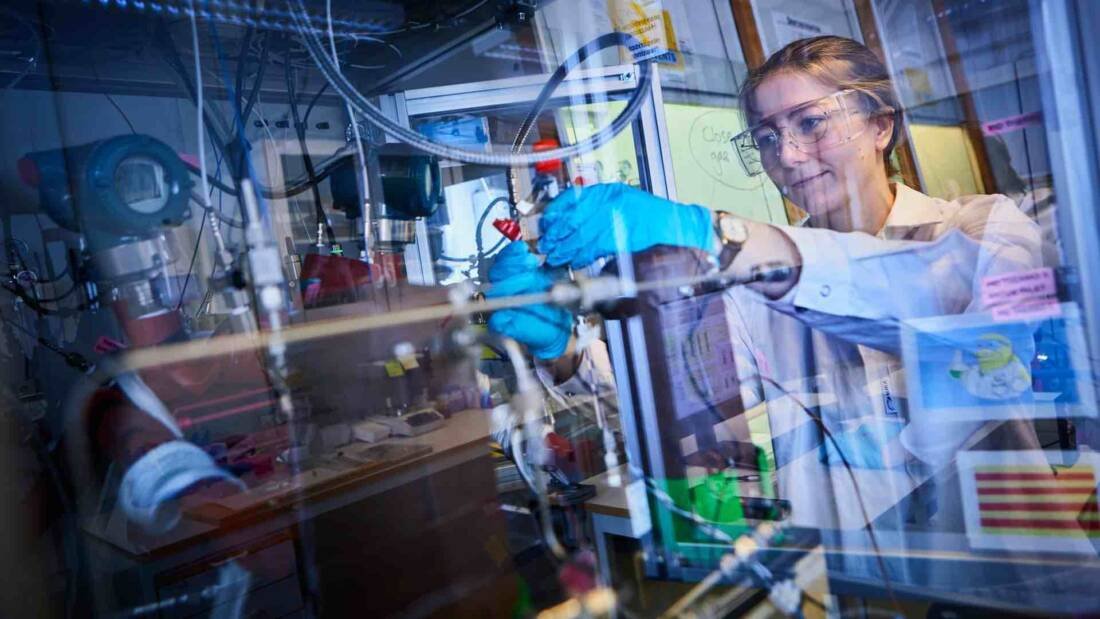
Researchers at Chalmers University of Technology have developed a new method for studying what affects the ageing of fuel cells by tracking a specific particle in the fuel cell during use. The team of researchers have studied an entire fuel cell by taking it apart at regular intervals. Using advanced electron microscopes, they have then been able to follow how the cathode electrode degrades in specific areas during the cycles of use. Previous studies have been done on so-called half-cells, which are similar (but not the same as) half of a fuel-cell and are carried out under conditions that differ significantly from the real fuel cell.

İçindekiler
Chalmers University’s premises on fuel cell technologyResearch at both nano and micro level

Chalmers University’s premises on fuel cell technology

The core of a fuel cell consists of three active layers, two electrodes – anode and cathode respectively – with an ion-conducting membrane in the middle. Each individual cell provides a voltage of about 1 volt. The electrodes contain catalyst material, and hydrogen and oxygen are added to them. The resulting electrochemical process generates clean water and electricity that can be used to power a vehicle. Hydrogen-fuel-cell-powered vehicles are limited by a relatively short lifespan, because fuel cell components, such as electrodes and membranes, degrade over time.

Research at both nano and micro level

“It has previously been assumed that the performance would be affected by the fuel cell being disassembled and studied in the way we have done, but it turned out that this assumption is not correct, which is surprising,” says research leader Björn Wickman, Associate Professor at the Department of Physics at Chalmers. The researchers at Chalmers have been able to explore how the material in the fuel cell degrades at both the nano and micro level, and pinpoint exactly when and where the degradation occurs. This provides valuable information for the development of new and improved fuel cells with a longer lifespan. “From previously only looking at how the fuel cell has aged after use, we have now been able to look into the middle stage,” says doctoral student Linnéa Strandberg at Chalmers. “Being able to follow a single, chosen particle within a specific area, provided a much better understanding of the degradation processes. Greater knowledge of these is an important step on the way to designing new materials for fuel cells or to adjust the control of the fuel cell.”

Bu haberler ilginizi çekebilir

Citroën 2026 Collection: More Style, Smart Choice
New Leapmotor B10 Hybrid EV Innovation Made Easy
Lancia Corse España enters the S-CER
Groupe PSA: Free2Move adds Citroën Ami – 100% ëlectric to its carsharing service in Paris
ETİKETLENDİ:news

Aylık Haber Bültenine Kaydolun

Gelişmeleri takip edin! Güncel haberleri doğrudan e-posta kutunuza alın.
Kaydolmakla, Kullanım Şartlarımızı kabul etmiş ve Gizlilik Politikamızda belirtilen veri uygulamalarını onaylamış olursunuz. İstediğiniz zaman aboneliğinizi iptal edebilirsiniz.
Bu Haberi Paylaşın
Facebook Bağlantıyı Kopyala Yazdır

Dergimiz Yayında

Okumak için Tıklayın
FacebookBeğen
InstagramTakip et
YouTubeAbone Ol
Türkiye’nin elektrikli ve hibrit araçlar platformu. Elektrikli Araçlar Dergisi, mikro mobiliteden elektrikli uçaklara kadar geniş bir yelpazede güncel içerik, e-dergi arşivi ve uzman görüşleri sunarak yeşil enerjili ulaşım dünyasına ışık tutmaktadır.
  • Künye
  • İletişim
  • Hakkımızda
  • Son Sayımız
  • Kullanım Şartları
  • Reklam
  • Abonelik
  • Dergi Arşivi
  • Fuar Takvimi
  • Gizlilik Politikası
Tekrar hoşgeldiniz!

Hesabınıza giriş yapın

Kullanıcı Adı veya E-posta Adresi
Şifre

Şifrenizi mi unuttunuz?