Bu siteyi kullanarak Gizlilik Politikası ve Kullanım Şartları'nı kabul etmiş olursunuz.
Kabul et
Elektrikli Araçlar DergisiElektrikli Araçlar DergisiElektrikli Araçlar Dergisi
  • Otomobil
    • İncelemeler
    • Menzil Testleri
    • Yeni Modeller
  • Mikromobilite
    • Motosiklet
    • Bisiklet
    • Scooter
  • Ticari & Toplu Taşıma
    • Kamyon
    • Otobüs
    • Traktör
    • Lojistik
    • Uçak
  • Şarj & Teknoloji
    • Batarya Teknolojisi
    • Şarj İstasyonları
    • Yazılım
  • Sektörel
    • Röportajlar
    • Fuarlar
    • Analizler
  • E-DergiYeni
  • News
Bildirimler
Yazı Tipi BoyutlandırıcıAa
Elektrikli Araçlar DergisiElektrikli Araçlar Dergisi
Yazı Tipi BoyutlandırıcıAa
  • Otomobil
  • Ticari & Toplu Taşıma
  • Mikromobilite
  • E-Dergi
Ara
  • Otomobil
    • İncelemeler
    • Menzil Testleri
    • Yeni Modeller
  • Mikromobilite
    • Motosiklet
    • Bisiklet
    • Scooter
  • Ticari & Toplu Taşıma
    • Kamyon
    • Otobüs
    • Traktör
    • Lojistik
    • Uçak
  • Şarj & Teknoloji
    • Batarya Teknolojisi
    • Şarj İstasyonları
    • Yazılım
  • Sektörel
    • Röportajlar
    • Fuarlar
    • Analizler
  • E-DergiYeni
  • News
Bizi takip edin
News

Toyota’s advanced battery technology key to driving range improvements

14 Eylül 2023
Paylaş
Bu haberin okuma süresi 4 dakikadır.
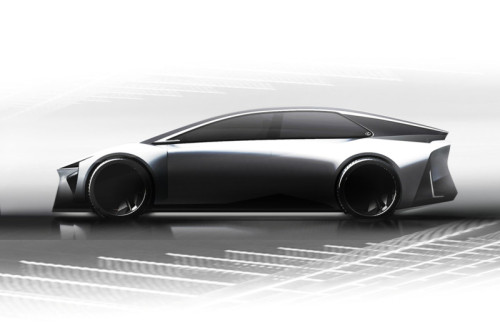
Toyota’s advanced battery
PAYLAŞ

At the recent launch of its BEV Factory Toyota Motor Corporation (Toyota) revealed that its next-generation BEVs (battery electric vehicles) will start production in 2026. Toyota plans to offer advanced specification BEVs that are loved as driving machines. Not only will they be designed and built differently, they will also be powered by a range of new advanced batteries developed specifically to exceed Toyota customers’ diverse needs and expectations. During a recent technical workshop under the theme of “Let’s Change the Future of Cars”, Toyota communicated a first insight into its next-generation BEV breakthrough technologies, including a preview of its advanced battery technology rollout plan.

Takero Kato, president of Toyota’s BEV Factory, indicated that the next-generation BEVs will first hit the market in 2026 and that 1.7m of the 3.5m BEVs Toyota expects to sell by 2030 will be these next-generation models. He also highlighted that a range of battery technologies will be key to appealing BEVs to a wider range of customers and their needs.

“We will need various options for batteries, just like we have different variations of engines. It is important to offer battery solutions compatible with a variety of models and customer needs
Takero Kato, President, BEV Factory
Toyota has unveiled four next generation batteries including state-of-the-art advances with both liquid and solid electrolytes, and gave a preview of two further steps with solid electrolyte battery technology.
Toyota’s advanced battery

Improved performance from liquid electrolyte batteries

Batteries with liquid electrolytes, which are currently the mainstream technology for BEVs, are being further developed by Toyota to deliver improved energy density, cost competitiveness and charging speeds.

There are three main technologies under development for liquid electrolyte batteries – ‘Performance’, ‘Popularised’ and ‘High Performance’

1.    Performance [Lithium-Ion]

Intended to be introduced with the next-generation BEVs to be introduced in 2026, the Performance Li-Ion battery will increase the cruising range of BEVs to over 800km when combined with improved aerodynamics and reduced vehicle weight.

  • 20% reduction in cost (compared to current bZ4X BEV)
  • Rapid recharging time of 20 minutes or less (SOC*1 = 10-80%)
  • Timing: expected 2026

*1 SOC – State of Charge


2.   Popularisation [Lithium Iron Phosphate]

Toyota is developing high-quality, lower-cost batteries to support the wider appeal of BEVs by providing customers with a variety of battery options – similar to the choice they have today with different powertrains.

The Popularisation battery is constructed using the bipolar technology that Toyota pioneered and confirmed with its NiMh hybrid electric vehicle batteries, combined with inexpensive lithium iron phosphate (LiFePO) as the core material.

The Popularisation battery is expected to offer:

  • 20% increase in cruising range (compared to current bZ4X)
  • 40% reduction in cost (compared to current bZ4X)
  • Fast recharging time of 30 minutes or less (SOC*1= 10-80%)
  • Timing: expected 2026-27

Bu haberler ilginizi çekebilir

Citroën 2026 Collection: More Style, Smart Choice
New Leapmotor B10 Hybrid EV Innovation Made Easy
Lancia Corse España enters the S-CER
Groupe PSA: Free2Move adds Citroën Ami – 100% ëlectric to its carsharing service in Paris
ETİKETLENDİ:anahaberaudibataryaBatteryCES 2022e-tronelectric buselectric carelectric carselektriklielektrikli araçelektrikli araçlarelektrikli otobüselektrikli otomobilemobiliteEVhaberhibritmercedes benzmobiliteşarjşarj sistemleriSUVTOGGtoyotaToyota Motoryerli otomobil

Aylık Haber Bültenine Kaydolun

Gelişmeleri takip edin! Güncel haberleri doğrudan e-posta kutunuza alın.
Kaydolmakla, Kullanım Şartlarımızı kabul etmiş ve Gizlilik Politikamızda belirtilen veri uygulamalarını onaylamış olursunuz. İstediğiniz zaman aboneliğinizi iptal edebilirsiniz.
Bu Haberi Paylaşın
Facebook Bağlantıyı Kopyala Yazdır

Dergimiz Yayında

Okumak için Tıklayın
FacebookBeğen
InstagramTakip et
YouTubeAbone Ol
Türkiye’nin elektrikli ve hibrit araçlar platformu. Elektrikli Araçlar Dergisi, mikro mobiliteden elektrikli uçaklara kadar geniş bir yelpazede güncel içerik, e-dergi arşivi ve uzman görüşleri sunarak yeşil enerjili ulaşım dünyasına ışık tutmaktadır.
  • Künye
  • İletişim
  • Hakkımızda
  • Son Sayımız
  • Kullanım Şartları
  • Reklam
  • Abonelik
  • Dergi Arşivi
  • Fuar Takvimi
  • Gizlilik Politikası
Tekrar hoşgeldiniz!

Hesabınıza giriş yapın

Kullanıcı Adı veya E-posta Adresi
Şifre

Şifrenizi mi unuttunuz?