Bu siteyi kullanarak Gizlilik Politikası ve Kullanım Şartları'nı kabul etmiş olursunuz.
Kabul et
Elektrikli Araçlar DergisiElektrikli Araçlar DergisiElektrikli Araçlar Dergisi
  • Otomobil
    • İncelemeler
    • Menzil Testleri
    • Yeni Modeller
  • Mikromobilite
    • Motosiklet
    • Bisiklet
    • Scooter
  • Ticari & Toplu Taşıma
    • Kamyon
    • Otobüs
    • Traktör
    • Lojistik
    • Uçak
  • Şarj & Teknoloji
    • Batarya Teknolojisi
    • Şarj İstasyonları
    • Yazılım
  • Sektörel
    • Röportajlar
    • Fuarlar
    • Analizler
  • E-DergiYeni
  • News
Bildirimler
Yazı Tipi BoyutlandırıcıAa
Elektrikli Araçlar DergisiElektrikli Araçlar Dergisi
Yazı Tipi BoyutlandırıcıAa
  • Otomobil
  • Ticari & Toplu Taşıma
  • Mikromobilite
  • E-Dergi
Ara
  • Otomobil
    • İncelemeler
    • Menzil Testleri
    • Yeni Modeller
  • Mikromobilite
    • Motosiklet
    • Bisiklet
    • Scooter
  • Ticari & Toplu Taşıma
    • Kamyon
    • Otobüs
    • Traktör
    • Lojistik
    • Uçak
  • Şarj & Teknoloji
    • Batarya Teknolojisi
    • Şarj İstasyonları
    • Yazılım
  • Sektörel
    • Röportajlar
    • Fuarlar
    • Analizler
  • E-DergiYeni
  • News
Bizi takip edin
News

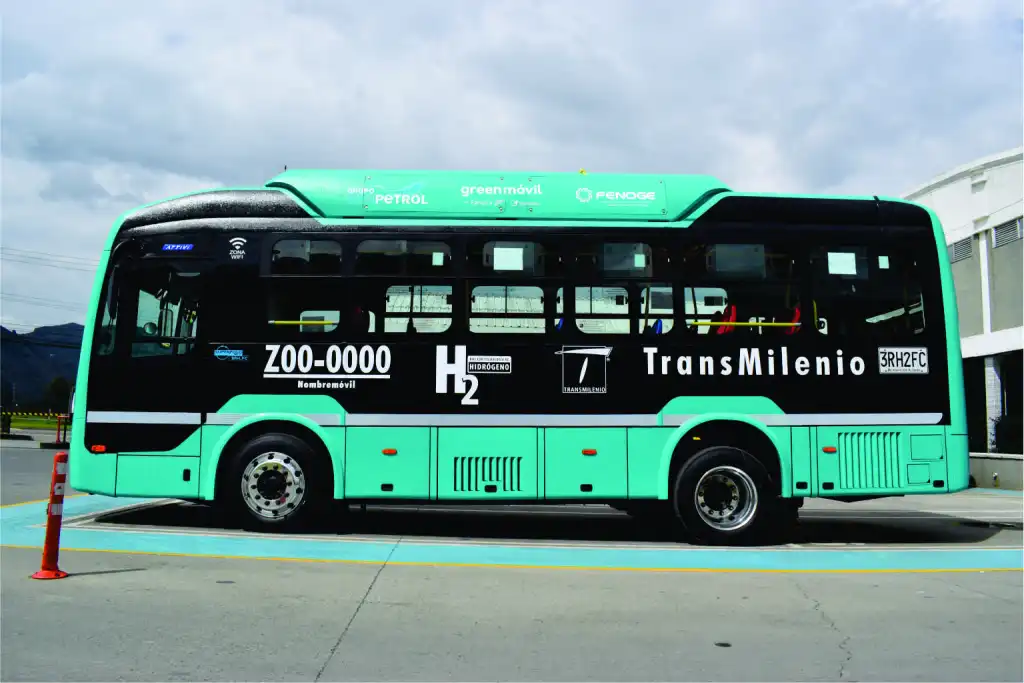
Marcopolo Attivi, Colombia’s First Hydrogen-Powered Bus

19 Mayıs 2023
Paylaş
Bu haberin okuma süresi 3 dakikadır.
Marcopolo Attivi
PAYLAŞ

Marcopolo represents an energy revolution in terms of reducing polluting emissions and is supported by companies such as Superpolo, Fanalca, Fenoge, Transdev, TransMilenio and Ecopetrol. The bus, called Attivi, is manufactured by Marcopolo and will be offered in two versions, one for buses up to 10 metres, and the other for standard, articulated and double-articulated buses. The body of the vehicle is designed to carry itself on the Marcopolo chassis.

İçindekiler
Hydrogen buses are lighter than battery electric vehiclesThe use of hydrogen buses has several advantages, such as a longer range compared to plug-in electric vehicles and faster charging due to the ability to refill the hydrogen tanks in just 8 minutes. In addition, hydrogen buses are lighter than battery electric vehicles, making them more suitable for higher capacity models such as articulated and bi-articulated buses.

The bus works like an electric vehicle, but instead of charging the batteries through an external connector, it uses a fuel cell that processes hydrogen gas. This hydrogen, stored in high-pressure tanks, is combined with oxygen to produce water vapor and electrical current through a process called “reverse electrolysis.” The electric motor of the bus is powered by the energy produced by the fuel cell and also by a battery bank located in the lower part of the vehicle, which stores energy regenerated by the braking system.

Marcopolo

Hydrogen buses are lighter than battery electric vehicles

The article also explains that hydrogen is the first element on the periodic table and is used as an energy vector. In this case, the green hydrogen used for the project is produced by an electrolyser that uses water and solar energy to separate the hydrogen and oxygen molecules.

The use of hydrogen buses has several advantages, such as a longer range compared to plug-in electric vehicles and faster charging due to the ability to refill the hydrogen tanks in just 8 minutes. In addition, hydrogen buses are lighter than battery electric vehicles, making them more suitable for higher capacity models such as articulated and bi-articulated buses.

However, there are also challenges in the use of hydrogen, such as the cost of fuel, the production process, and hydrogen-powered buses. The handling of hydrogen is complex due to its tendency to leak and its storage and transport require high pressures, which increases its cost. Despite these challenges, the article notes that the outlook for hydrogen as an energy source is encouraging, and some auto companies are investing in fuel cell development. In the future, different mobility solutions are expected to co-exist, including fossil fuels, renewable energy sources, synthetic fuels, plug-in electric vehicles, hybrids, and vehicles powered by green hydrogen.

 

Bu haberler ilginizi çekebilir

Citroën 2026 Collection: More Style, Smart Choice
New Leapmotor B10 Hybrid EV Innovation Made Easy
Lancia Corse España enters the S-CER
Groupe PSA: Free2Move adds Citroën Ami – 100% ëlectric to its carsharing service in Paris
ETİKETLENDİ:anahaberaudibataryaBatterybmwCES 2022e-tronelectric buselectric carelectric carselectric vehicleselektriklielektrikli araçelektrikli otobüselektrikli otomobilemobiliteEVheadlinehibrithybridhyundaiKIAMarcopoloMarcopolo Attivimercedes benzmobilitenissanşarjşarj sistemleriSolarisSUVyerli otomobil

Aylık Haber Bültenine Kaydolun

Gelişmeleri takip edin! Güncel haberleri doğrudan e-posta kutunuza alın.
Kaydolmakla, Kullanım Şartlarımızı kabul etmiş ve Gizlilik Politikamızda belirtilen veri uygulamalarını onaylamış olursunuz. İstediğiniz zaman aboneliğinizi iptal edebilirsiniz.
Bu Haberi Paylaşın
Facebook Bağlantıyı Kopyala Yazdır

Dergimiz Yayında

Okumak için Tıklayın
FacebookBeğen
InstagramTakip et
YouTubeAbone Ol
Türkiye’nin elektrikli ve hibrit araçlar platformu. Elektrikli Araçlar Dergisi, mikro mobiliteden elektrikli uçaklara kadar geniş bir yelpazede güncel içerik, e-dergi arşivi ve uzman görüşleri sunarak yeşil enerjili ulaşım dünyasına ışık tutmaktadır.
  • Künye
  • İletişim
  • Hakkımızda
  • Son Sayımız
  • Kullanım Şartları
  • Reklam
  • Abonelik
  • Dergi Arşivi
  • Fuar Takvimi
  • Gizlilik Politikası
Tekrar hoşgeldiniz!

Hesabınıza giriş yapın

Kullanıcı Adı veya E-posta Adresi
Şifre

Şifrenizi mi unuttunuz?